One Truck, One Trailer, One Machine — Sprayed and Back to Work Today
Small jobs do not need a project plan. Clean back the loose rust, spray OR93BL or Flak Jacket polyurea over it, and the unit is back in the yard the same afternoon. We supply the material, and if you do not have a spray rig we will point you at somebody nearby who does.
Find Out What Your Job TakesWhy Small Jobs Suit This Material
In and Out in One Visit
Tack-free in under a minute, handling strength in minutes, back in service inside the hour. There is no second coat to come back for and no overnight cure occupying a bay. A single trailer or implement is genuinely a one-visit job.
One Product Covers the Whole Unit
A farm trailer has a steel frame, a wood deck, painted panels, and probably some galvanized. With 7001 primer under it, one barrier coating spans all of it — you are not buying four products and masking between them.
Thick Enough to Survive Real Use
Twenty to eighty mils in one pass, versus two or three mils from a can. Gravel, dragged loads, hoof traffic, fertilizer, and pressure washing do not go through it the way they go through paint.
You Do Not Need to Own a Rig
The prep you can do yourself. The spraying needs plural-component equipment. For a single unit, hiring an applicator who already has material on the truck is almost always cheaper than any version of doing it yourself — and we will tell you who is nearby.
Typical One-Off Jobs
Single units, seasonal repairs, and the thing in the corner of the yard that has been getting worse.
- Pickup beds & tailgates
- Truck frames & rocker panels
- Utility & livestock trailers
- Flatbed & tilt-deck trailers
- Farm implements & spreaders
- Feeders, gates & penning
- Boat trailers & dock hardware
- Mower decks & loader buckets
- Toolboxes, racks & headache racks
- Project & classic vehicle panels
What Goes On a Small Job
Same products the industrial crews use — just less of them.
The Job That Keeps Getting Put Off
It is usually the same story. A trailer that was fine three seasons ago now has rust blooming along the crossmembers. A pickup bed where the coating gave up and the floor has started scaling. A spreader that spent two winters outside because there was no room in the shed.
None of these are big enough to warrant a project. All of them get worse every month, and all of them cost more the longer they sit — because rust is not linear. Oxide holds water against the steel, so a rusted surface stays wet through weather that would have dried clean metal, and the reaction keeps running.
The good news is that small jobs are fast. A single trailer or implement is generally a one-day job including prep, and the coating itself is measured in minutes. Wire wheel the loose material off, prime what needs priming, and spray a membrane thick enough that water never touches the steel again. The unit goes back to work the same afternoon.
The catch is equipment: polyurea gels in seconds and needs a plural-component rig. For one unit, that means hiring somebody — which is usually the cheapest route anyway, since applicators run this material daily and already have it heated on the truck.
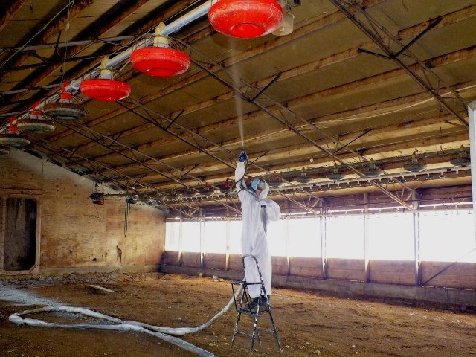
What a Small Job Looks Like
What You Can Do Yourself Before Anyone Arrives
Prep is most of the labour on a small job, and every hour you do yourself is an hour you are not paying for. None of it needs special equipment.
- Get everything loose off. Wire wheel, flap disc, needle scaler, or a good scraper. The standard is simple: when you are done, nothing should lift with a putty knife. Tight, firm rust can stay — flaking scale cannot.
- Degrease before you abrade, not after. Grinding first drives oil and grease down into the surface. Wash it, then work it.
- Pressure wash the salt off. If the unit has been on winter roads or near the coast, this is not optional. Salt sealed under a coating pulls water through the film and lifts it.
- Pull off what should come off. Lights, straps, chains, removable racks, and anything you do not want coated. Masking is faster than reinstalling.
- Let it dry properly. Rusty steel holds water in the pits. Give it a dry day, or a warm shop overnight.
Do that much and an applicator arrives to a job that is ready to spray, which is the difference between a half-day and a full one on the invoice.
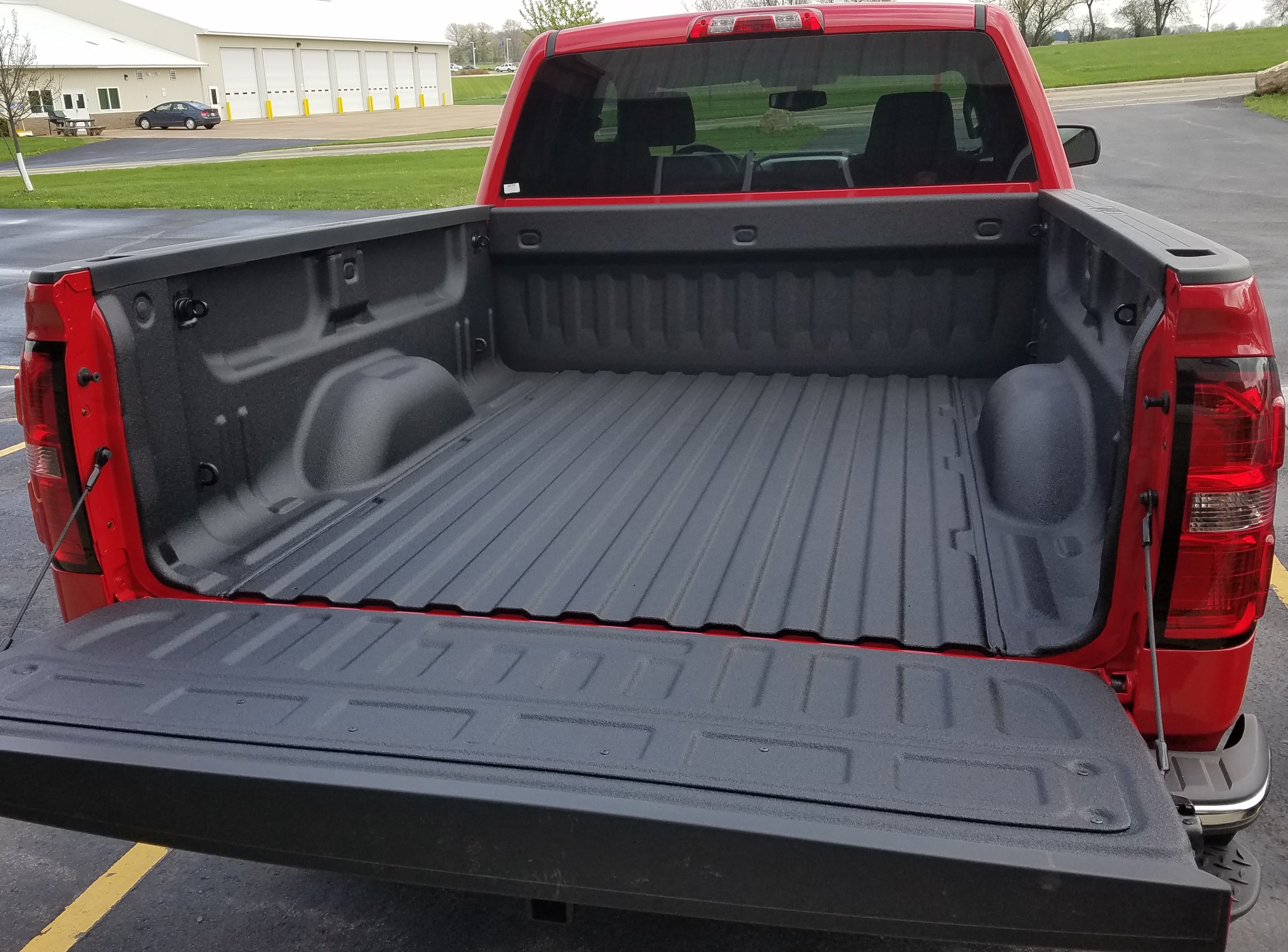
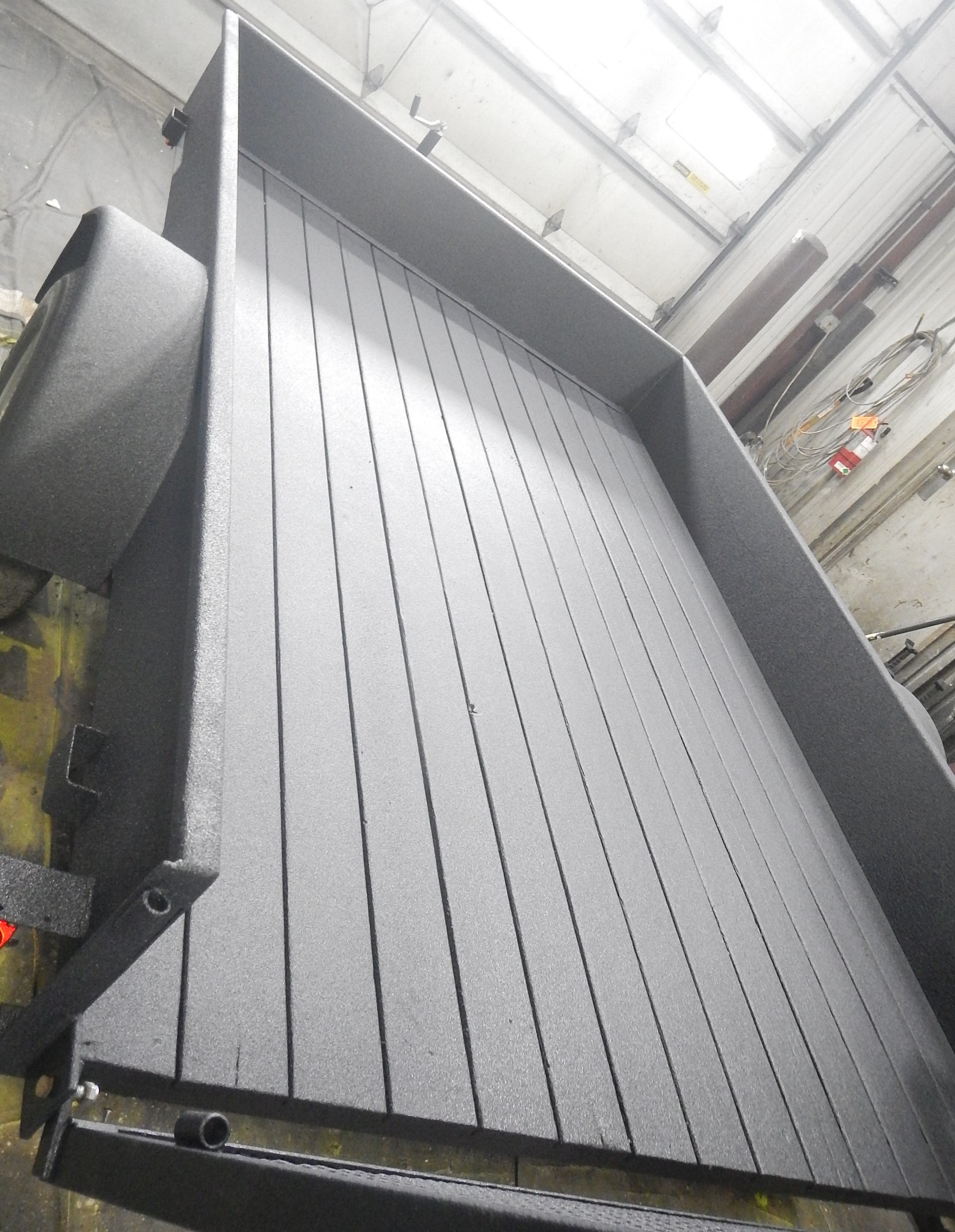
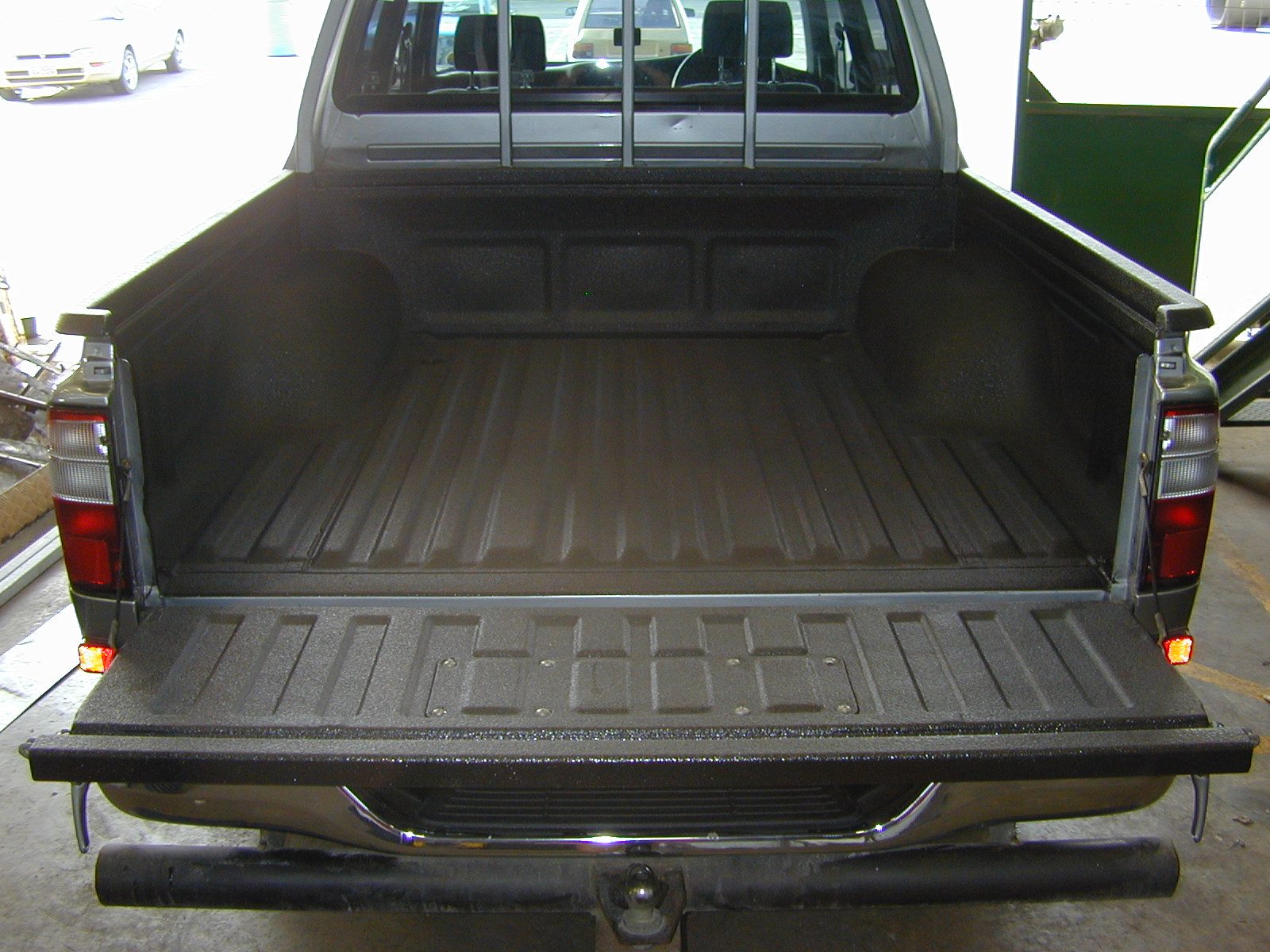
Small Jobs, Finished
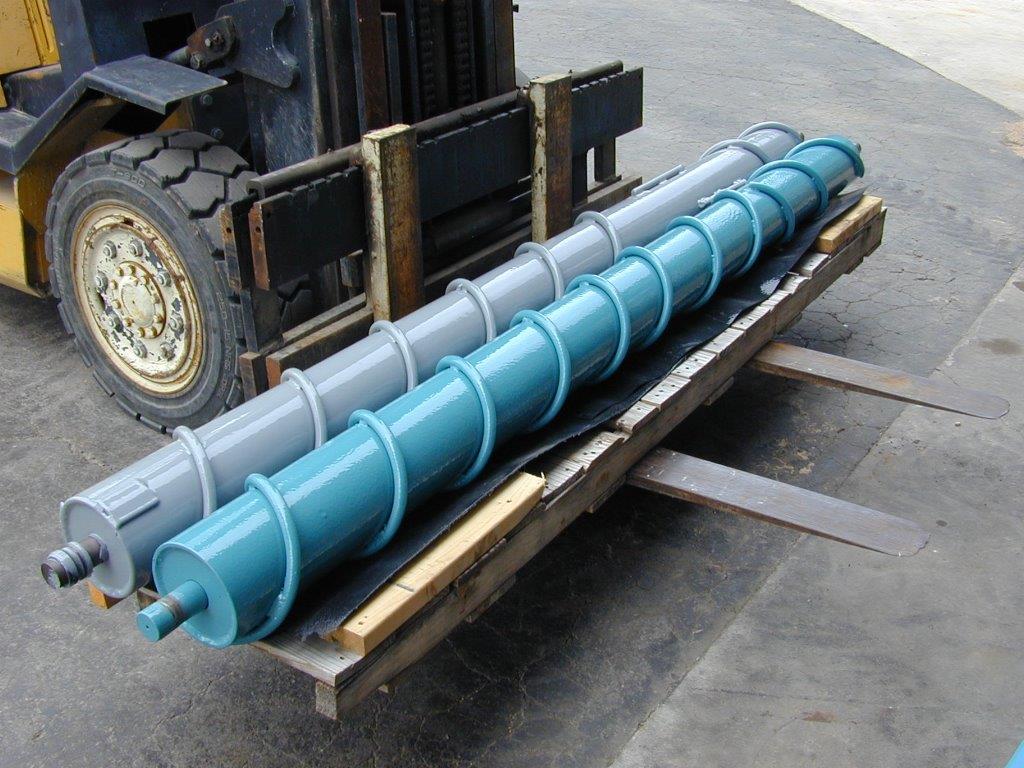
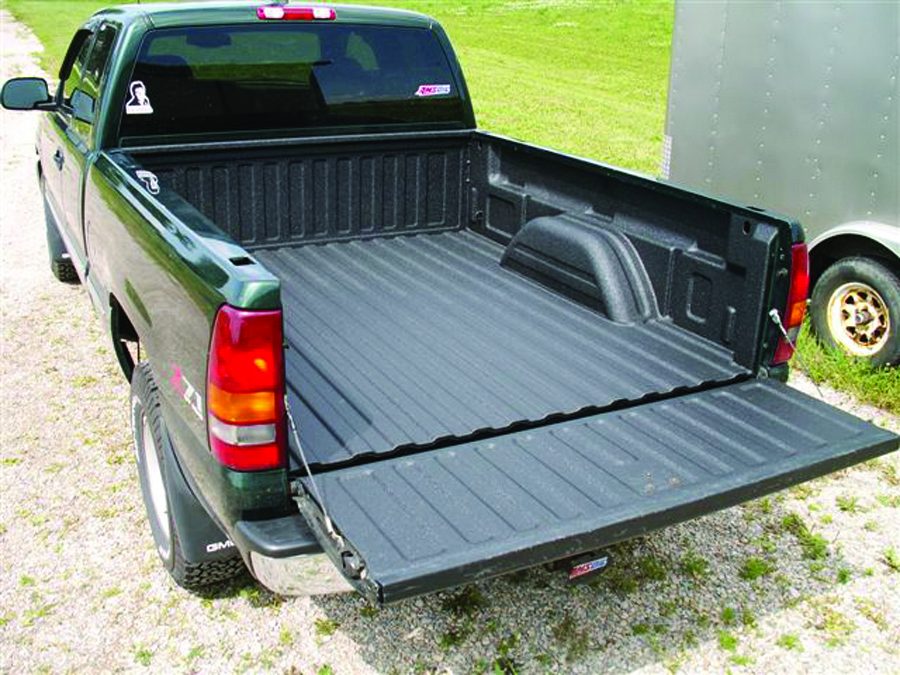
Tell Us What You Have and Where You Are
A couple of photos and your location. We will tell you what the job needs, roughly what it should cost, and put you in touch with an applicator nearby — or supply the material if you spray it yourself.
Find Out What Your Job TakesFind Out What Your Job Takes
Tell us about your project and we will follow up with product details, technical data sheets, and pricing.
Frequently Asked Questions
Frequently Asked Questions
What people ask about a single truck, trailer, or machine.
Getting It Done
How long does a single unit take?
Usually one day, sometimes half. The spraying itself is minutes; prep and masking are the job. If you do the wire wheeling, degreasing, and washing yourself beforehand, an applicator can often turn a trailer or pickup around in an afternoon.
Can I spray it myself?
Not realistically for one unit. The material gels within seconds of the two components meeting and needs a heated plural-component rig — serious capital equipment, not a rental item. You can do all the prep yourself, which is where most of the labour is. For a yard full of equipment, the arithmetic changes and it is worth a conversation.
How do I find somebody near me?
Tell us your location and what you have, and we will point you at an applicator in your region who runs our material. Jobs coming through this site get routed that way as a matter of course — you do not have to buy anything from us to get the referral.
What does a small job cost?
It varies with size, condition, and how much prep is needed, so anyone quoting a flat number without seeing photos is guessing. Send pictures and your location and we will give you a realistic range before you commit to anything.
Prep & Condition
Does all the rust have to come off first?
No — everything loose has to come off. Tight, firm rust that will not lift with a putty knife can stay and gets sealed under the coating, where it goes inert once it is dry and away from oxygen. Loose scale and flaking must be removed, or the coating comes off with it later.
The frame has been on salted roads for years. Does that matter?
It matters a lot. Salt has to be pressure-washed off and, on anything serious, verified below 7 µg/cm². Coating over salt pulls moisture through the film and lifts it, and then the rust carries on underneath where you cannot see it. This is the step most people skip and most later failures trace back to.
There is a hole in it. Can you spray over that?
No. A coating over a hole is still a hole. Perforated or badly thinned metal needs patching or replacing first — then the whole area gets coated. Tap suspect spots with a small hammer: a dull thud or a dent means the steel is gone there.
Can it go over the paint that is already on it?
Usually, if the paint is sound, with 7001 primer over it first. Test it by pulling a strip of tape off hard — if the old paint comes with it, that area needs to be stripped. Where it is well bonded, the primer handles adhesion and stops bleed-through.
Living With It Afterwards
How soon can I use it?
Tack-free in under a minute and back to work typically within the hour. There is no overnight cure and no second coat, which is why single-unit jobs can be same-day.
What if I gouge it later?
It gets abraded, primed with 7001, and resprayed — a quick fix, but one that needs the applicator back rather than a can from your shelf. In practice, at 20 to 80 mils most things that would go through paint do not go through this.
Will it fade in the sun?
Yes. The standard product chalks and dulls in direct sunlight over a few seasons. It is purely cosmetic — the rust protection is unaffected. If appearance matters on a show vehicle or something customer-facing, ask about an aliphatic topcoat.
Can I get non-slip on a deck or ramp?
Yes. Sprayed polyurea has natural texture at higher build, and the finish can be adjusted for more grip on trailer decks, ramps, and horse trailer floors. Mention it when you book the job so the applicator plans the pass accordingly.
Question About Your Own Job?
Send a photo and ask. You will get a real answer, including when the answer is that you do not need this.
Ask a Question